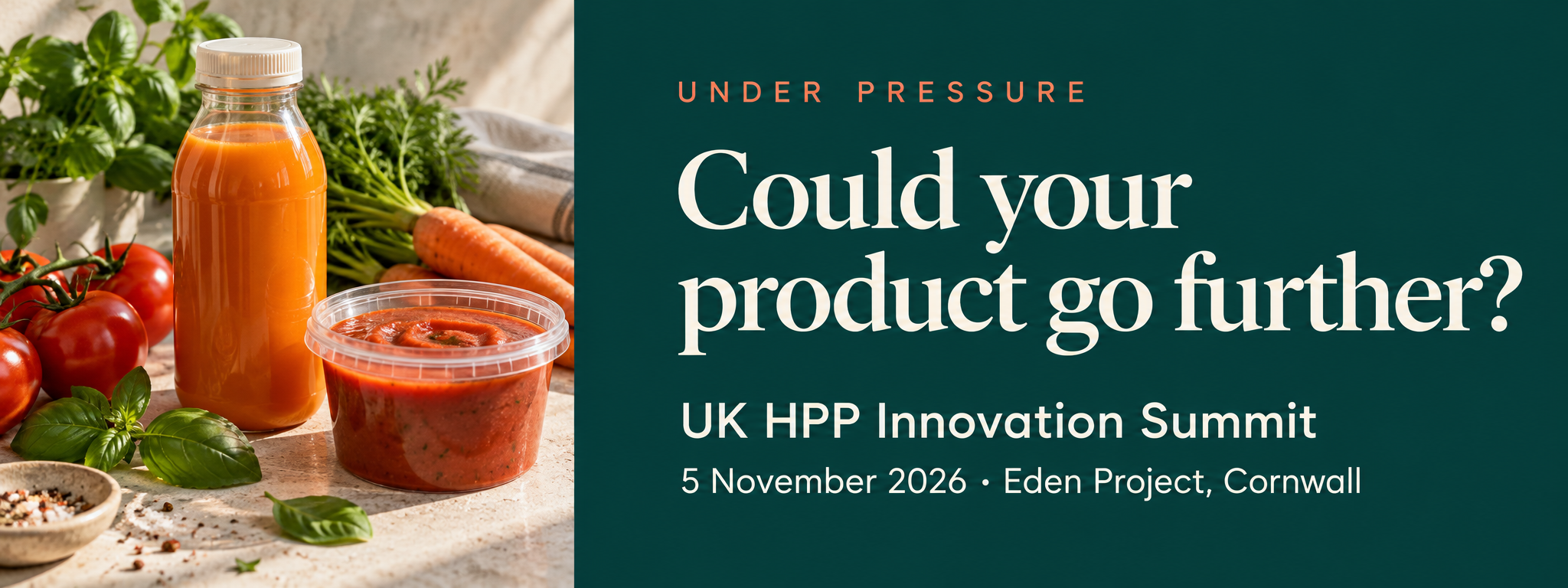
More possibilities for chilled food
Explore suitability, packaging and the economics of reaching further.
Explore the sectors →

Discover what water pressure can do for your products.
5 November 2026 · Eden Project, Cornwall
Register to secure your place. A confirmation email follows your registration.
Image courtesy of Eden Project
HPP uses water under very high pressure inside a sealed vessel to process food. Press play to follow a typical cycle, from loading sealed food packs to releasing the pressure and unloading.
This illustration shows conventional in-pack HPP. Conditions and benefits need product-specific validation; it does not demonstrate welfare approval for live shellfish.
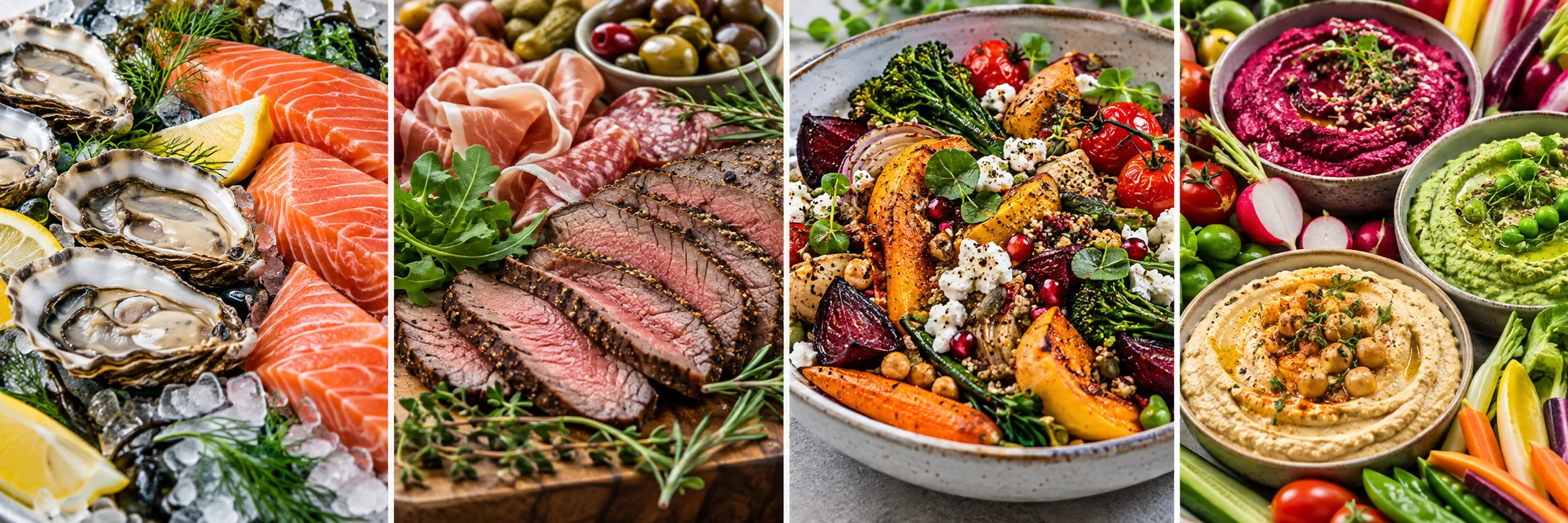
Illustrative food imagery. HPP suitability and outcomes require product-specific assessment.





Explore suitability, packaging and the economics of reaching further.
Explore the sectors →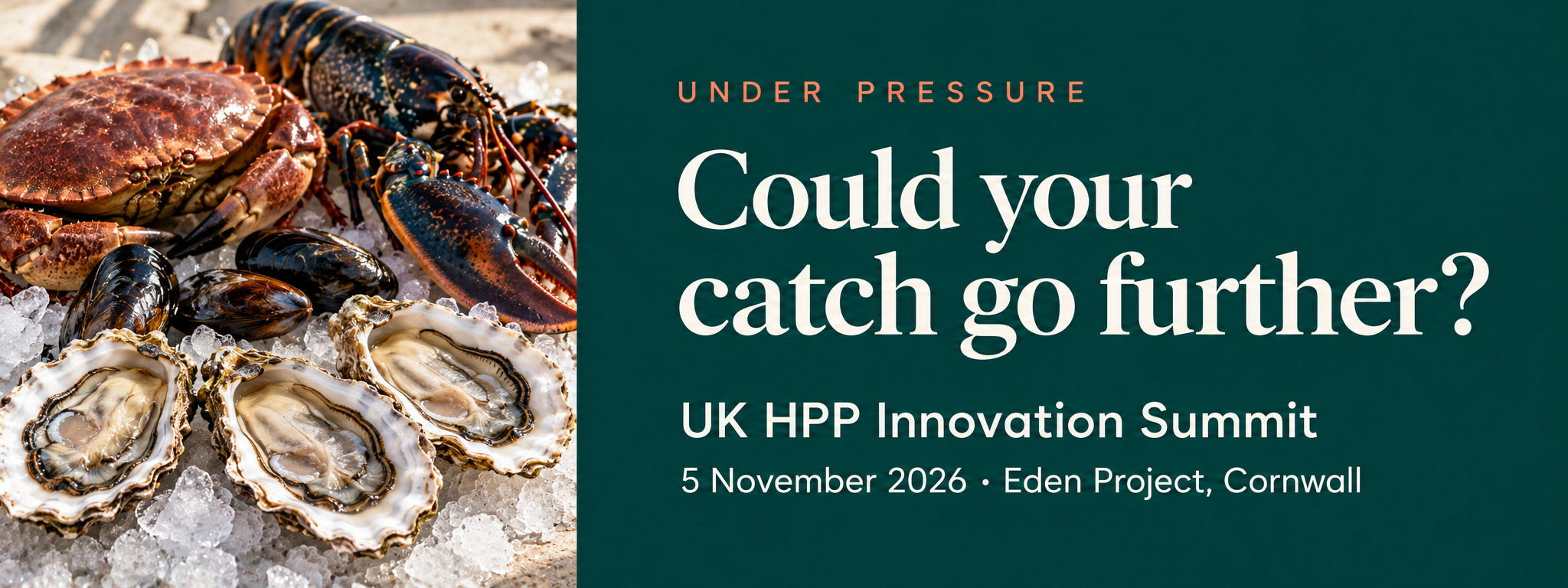
Bring your questions about shellfish, processing and product value.
Explore seafood →Campaign illustrations. Product suitability and outcomes require individual assessment and validation.
Shelf life, safety, packaging and distribution all affect what a product can achieve commercially. The Summit brings those questions together.
Limited shelf life can restrict distribution, increase waste and leave less time to sell.
Changes to recipes, processing or shelf life need a food-safety approach suited to the product.
Longer journeys demand reliable shelf life, temperature control and a workable distribution cost.
Owning an HPP machine is a substantial commitment. Shared access offers a different route to processing capacity.
Retailers need consistent quality, dependable availability and products that meet their technical specifications.
A promising recipe still needs suitable packaging, testing and a practical route to production.
Pure Food Tech is investigating the case for shared-access HPP in the South West. We are bringing producers and technical specialists together to understand which products could benefit, what testing is needed and whether regional processing could work commercially.
The Summit is the next step. Product assessment, trials and feasibility work would inform any future decision on capacity, location and investment.
The initiative is led by Andrew Williams, drawing on 25 years in food and hospitality and relationships across the sector.
Bring the right people into one room on 5 November.
Work through formulation, packaging and shelf life with real product.
Assess demand, costs and location before a capacity decision.
Explore whether a longer chilled life could help your meals reach new customers, reduce waste and give retailers more time to sell.
From a much-loved hummus recipe to a fresh curry sauce, discover what pressure processing could mean for quality, usable shelf life and distribution.
Explore meat-release opportunities for suitable shellfish, alongside separate questions about quality, microbial control and chilled shelf life.
Explore pressure processing for suitable chilled juices and shots, with attention to flavour, packaging and the selling time your business needs.
A pop-up dish, a fresh sauce or a small-batch dip can spark interest from customers. Turning that interest into a packaged product brings new questions about preparation, packaging, shelf life and cost.
As part of the proposed shared HPP facility, we are exploring a development kitchen where small producers could refine recipes, prepare trial batches and work with technical specialists before deciding whether to scale up.
This is a proposal under assessment. The kitchen and processing service are not currently available; scope, access, costs and delivery would depend on producer demand and feasibility.
HPP would be one option to assess. Suitability and shelf life must be established for each product through appropriate trials and validation.
Tell us what you would need →Bring your product questions to Under Pressure at Eden on 5 November, or get in touch if you cannot attend. Your experience can help shape what shared access should offer.
Four product areas where HPP may address practical production or commercial needs. Suitability depends on the individual product.
Explore meat extraction, microbial control, yield and shelf-life opportunities for suitable seafood products.
More →Assess microbial-risk reduction, product quality and processing costs for fresh and raw pet food.
More →Investigate shelf life, quality and distribution opportunities for suitable chilled foods.
More →High pressure processing uses water to apply pressure evenly around a product, usually in its final packaging. For suitable foods, it can reduce harmful and spoilage microorganisms while helping retain fresh qualities. Safety, shelf life and quality must be established through appropriate testing.
Pressures commonly used in commercial food treatments.
Achievable shelf life depends on the food, process and storage conditions.
Use a processing service instead of buying your own HPP machine.
“Fresh food does not have to be made less fresh to be made safe.”
Joyce Longfield · HPP Technical Representative, Quintus Technologies · opening keynote, 5 November
Jasper van Altena will represent JBT Marel, presenting a contribution prepared by Errol Raghubeer. Session details will follow. See the full agenda →
Anyone weighing up shelf life, food safety or export reach against the cost of getting there alone.
Buyers and technical leads who set the shelf life, labelling and waste targets HPP can help meet.
Equipment, finance and packaging specialists contributing to practical discussions about HPP and shared access.
Join us in Cornwall on Thursday 5 November 2026 for a day of practical discussion about HPP, food innovation and the opportunity for shared access in the South West.
Registration from 9:30am · Programme 10am–4pm

Meet the people behind the technology, discuss your product questions and explore what the next steps could look like for your business.
Register now → Explore the programme →